
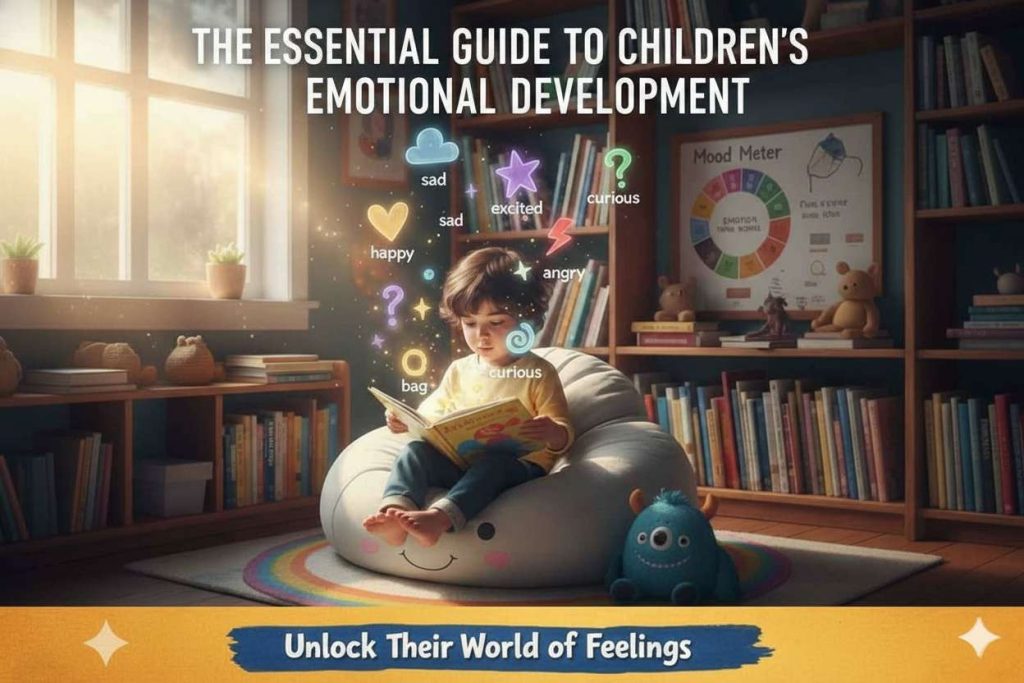
The Essential Guide to Children’s Emotional Development
As parents and caregivers, it’s easy to get caught up in the day-to-day logistics of raising children. We think about their physical health, school performance, and social activities. But one aspect that deserves just as much attention, if not more, is your child’s emotional development. Understanding and nurturing emotional literacy for kids can shape their future in remarkable ways.
In this Blog, we’ll explore what emotional literacy is, why it’s important for your child’s mental well-being, and how you can foster it at home. We’ll also look at the five key pillars of emotional literacy and offer practical tips for parents. By building these skills early, you set your child on a path to greater emotional intelligence and a stronger sense of self.
What is Emotional Literacy?
So, what is Emotional literacy? Well, it refers to the ability to recognize, understand, express, and manage emotions in a healthy, constructive way. Just as learning to read and write is a critical skill, emotional literacy is a critical skill that kids need to develop throughout their lives. It involves accurately recognizing and labeling emotions, which is essential for communication and empathy.
At its core, emotional literacy teaches kids how to articulate what they are feeling and learn to manage those feelings without becoming overwhelmed. It helps them recognize that emotions are a natural part of life and that understanding them can lead to healthier relationships, stronger conflict-resolution skills, and a stronger sense of emotional well-being.
This foundation is crucial for your child’s emotional development as they grow older and face more complex situations. Emotional literacy for kids helps lay the groundwork for their ability to engage with others emotionally, setting them up for future success in their relationships and mental well-being.
Why Does Emotional Literacy Matter?
The importance of emotional literacy for kids cannot be overstated. Children who develop emotional literacy are better equipped to handle life’s ups and downs. Understanding their emotions helps them avoid becoming overwhelmed, anxious, or frustrated when facing challenges.
Kids with emotional literacy are also more resilient and tend to have stronger social skills, which contribute to better friendships and academic success. But kids’ mental health doesn’t just affect them in the moment, as it impacts their long-term development as well. When children are emotionally aware, they can better manage stress, reduce impulsivity, and make more thoughtful decisions.
This ultimately contributes to their overall emotional intelligence, which is linked to improved performance in both personal and professional areas later in life. As emotional awareness grows, so does a child’s ability to thrive across social and academic settings, leading to improved mental health outcomes.
3 Practical Ways to Build Emotional Literacy at Home
Fostering emotional literacy for kids doesn’t require special programs or classes. Here are 3 Practical Ways to Build Emotional Literacy at Home with your child today:
- Label and Discuss Emotions Regularly
Start by helping your child identify their emotions. Instead of just asking, “How are you feeling?” try asking more specific questions like, “Are you feeling frustrated or sad?” or “Do you think that made you angry or worried?” This helps children connect words to their feelings and builds their emotional vocabulary.
Encourage open discussions about how emotions feel in the body, whether it’s a tight chest, a racing heart, or a stomach ache, and explain that it’s normal to feel different things throughout the day.
- Model Emotional Regulation
Kids learn by example. When parents or caregivers demonstrate emotional intelligence, they provide a living example of how to manage emotions. Take moments to show how you cope with stress or frustration.
For example, you could say, “I’m feeling really stressed about work right now, but I’m going to take a few deep breaths to calm myself down before I get back to it.” By modeling this, you’re teaching your child that emotions are manageable and that it’s okay to express them in healthy ways.
- Create a Safe Emotional Environment
For your child’s emotional development to thrive, children need a safe space to express their feelings. Foster an environment where emotions are not judged but understood. Encourage your child to share how they feel without fear of punishment or ridicule.
Acknowledge their feelings and offer solutions or comforting words that help them feel understood and supported. This environment will not only help them manage their emotions but will also foster kids’ mental health and well-being.
The 5 Pillars of Emotional Literacy
Building emotional literacy for kids requires more than just labeling emotions.
To truly develop emotional intelligence, children need to grasp the five key pillars of emotional literacy:
- Emotional Awareness
This is the ability to recognize and name one’s feelings. It’s the foundation of emotional literacy and involves identifying and understanding emotions as they occur.
- Emotional Expression
Once children recognize their emotions, they need to learn how to express them in healthy, productive ways. This could involve verbalizing their feelings or using art or physical activities to release pent-up emotions.
- Emotional Regulation
Emotional regulation is about managing intense feelings. It includes learning to calm down when upset and to express emotions appropriately in different situations.
- Empathy
Developing empathy is a key component of emotional literacy. It helps children understand and relate to others’ emotions, which in turn helps them build stronger, more compassionate relationships.
- Problem-Solving
This pillar involves using emotional awareness to make informed, thoughtful decisions. Problem-solving is not just about resolving conflicts but also about using emotional intelligence to navigate daily life.
Together, these five pillars form the framework for managing their child’s emotions and navigating their world with emotional clarity and confidence. By strengthening these areas, children can more effectively regulate their emotions across situations, leading to better outcomes in their social interactions and overall well-being.
Practical Tips for Parents
Here are some important practical tips for parents to promote emotional literacy for kids at home:
- Use Books and Stories
Reading stories with emotional themes helps children recognize and discuss their emotions. Look for books where characters experience and manage emotions in healthy ways.
- Encourage Creative Expression
Art, music, and play provide children with ways to express and process their feelings. Encourage your child to engage in activities that allow them to explore their emotions.
- Praise Emotional Efforts
When your child expresses their emotions or uses emotional regulation techniques, praise their efforts. This reinforces the idea that emotional awareness and regulation are valuable skills.
- Set Aside Time for One-on-One Conversations
Make time to have individual conversations with your child about their feelings and experiences. These discussions help build a strong emotional connection and give your child the opportunity to process their emotions in a safe space.
- Create Consistent Routines
Stability is important for emotional well-being. A consistent routine helps children feel secure, reduces anxiety, and supports their emotional development.
Conclusion
Understanding and nurturing emotional literacy for kids is one of the most important steps in supporting your child’s mental health and emotional growth. By developing emotional awareness, expression, and regulation, you help your child build resilience, empathy, and strong social skills. These foundational skills will guide them through life’s challenges with greater emotional intelligence and confidence.
As they develop their child emotional development, they will also learn to manage their child emotions, build healthier relationships, and thrive socially. It’s never too early to start fostering these skills, and the sooner you begin, the stronger your child’s emotional foundation will be.
If you’re looking for a great resource to support your child’s emotional growth, We highly recommend “MOMMY’S BIG FEELINGS UNBREAKABLE LOVE“. This beautifully written book provides a perfect starting point for teaching kids about managing big emotions and understanding their feelings in a supportive, loving way.

Jennifer Wilson
Brave Little Minds was inspired by my journey as a mother living with bipolar disorder, and my heartfelt wish to help my son understand and process his feelings.